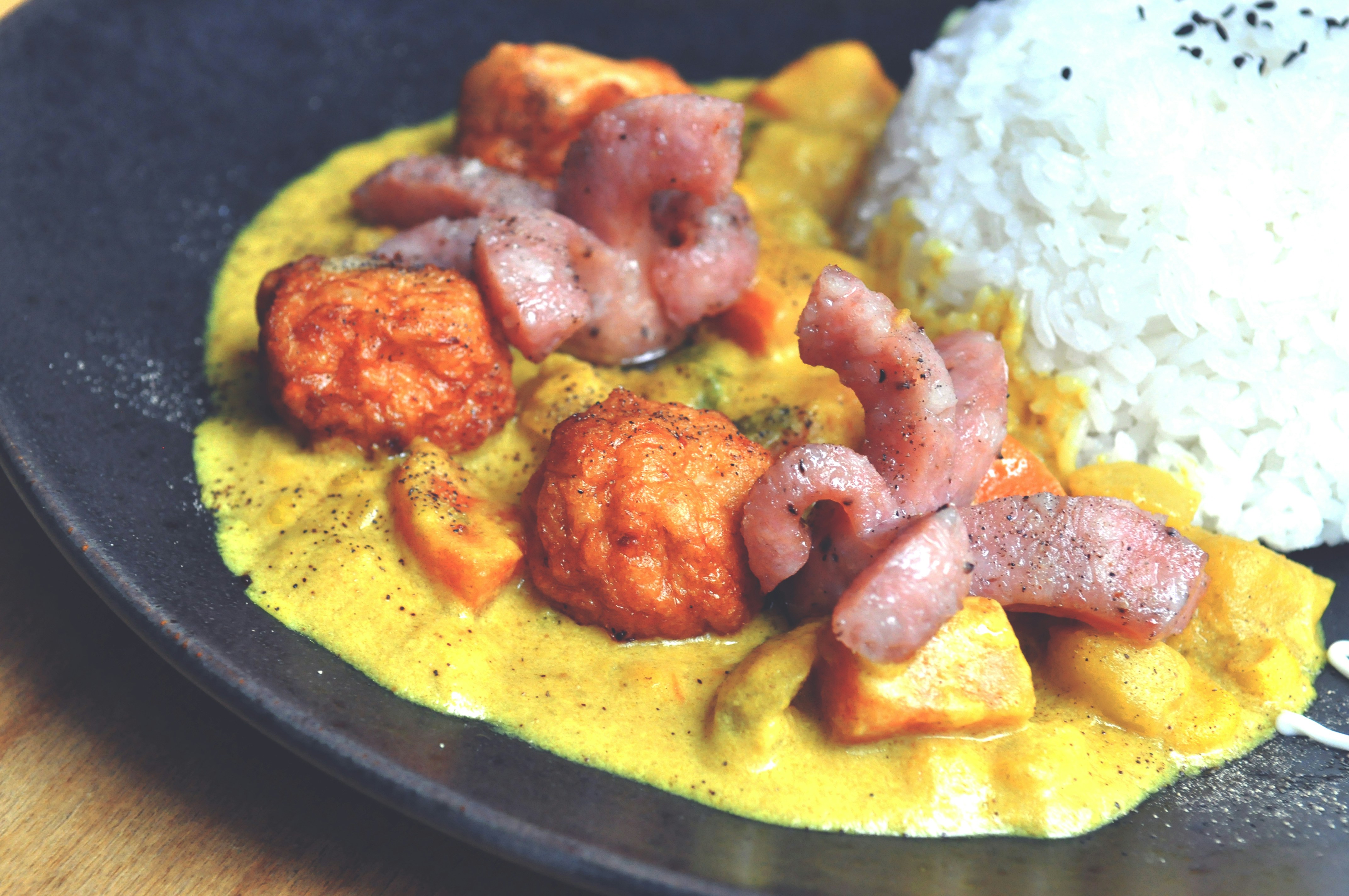
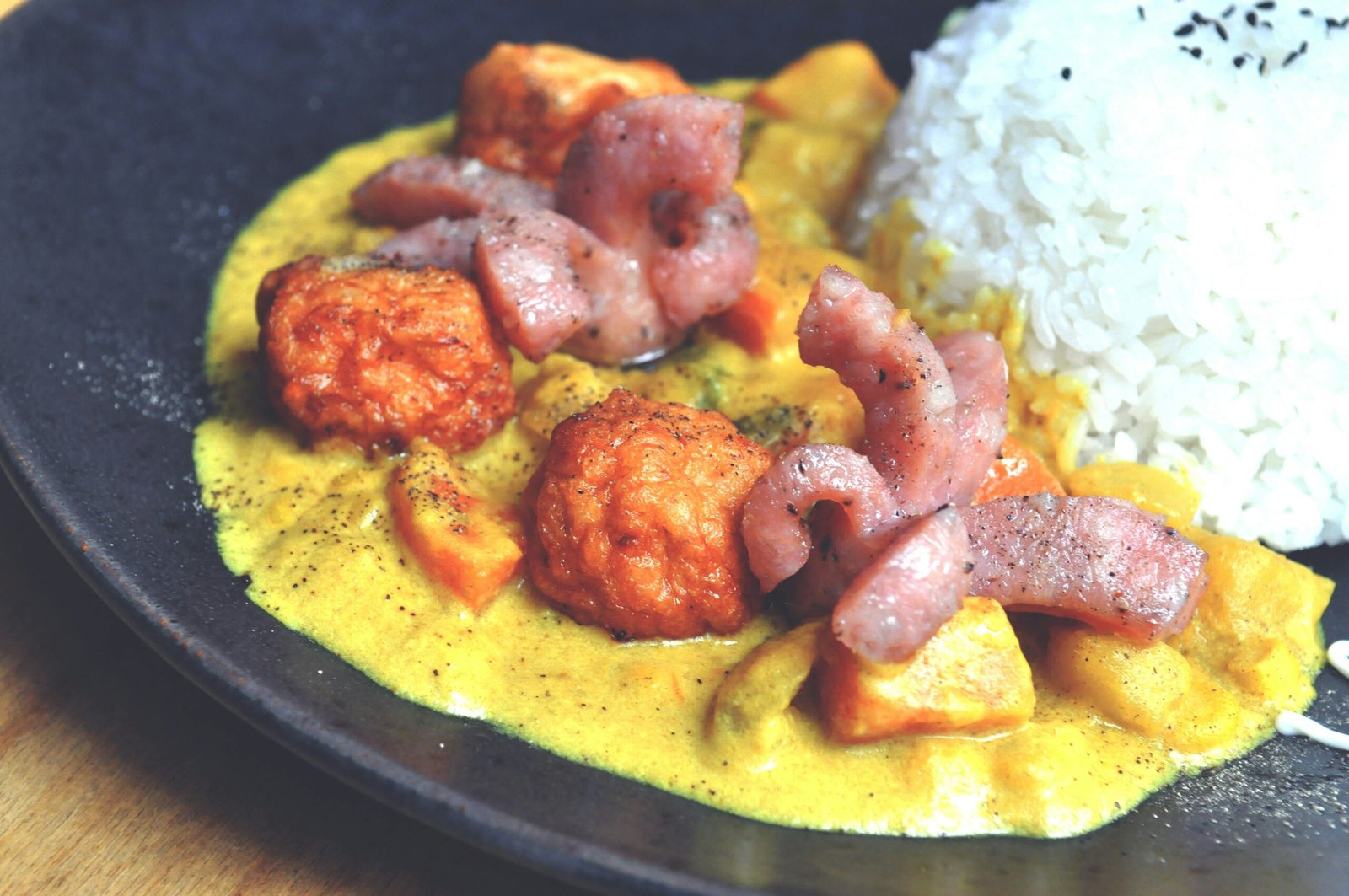
Introduction to Chicken Curries
Chicken curries represent a versatile and cherished dish within various culinary traditions worldwide. Renowned for their ability to harmoniously blend flavors and ingredients, chicken curries often serve as a staple in many households and restaurants, including upscale hotel menu offerings. This popularity stems from their adaptability; chicken curries can be mild and creamy or bold and spicy, satisfying an array of palates and preferences.
The root of chicken curries can be traced back to many cultures, particularly in South Asian cuisines where rich historical influences have shaped the development of these dishes. Countries like India, Thailand, and Pakistan each present unique variations, showcasing distinct spices, cooking techniques, and ingredient combinations. For example, a traditional Indian chicken curry might feature a medley of spices such as cumin, coriander, and garam masala, while a Thai rendition could emphasize flavors like lemongrass, galangal, and coconut milk.
Moreover, chicken curries hold significant importance in the dining sector, especially within hotels and restaurants. Their presence on a menu can enhance the dining experience, offering guests a taste of authentic diversity and Indulgence. Chefs often pride themselves on their signature chicken curry recipes, which may utilize family techniques or innovative interpretations of classic flavors. The dish not only represents cultural heritage but also acts as a bridge for culinary exploration, making it appealing to both locals and international visitors.
Whether served alongside fragrant basmati rice, warm naan bread, or accompanied by a variety of sides, chicken curries are a favored choice. They are more than mere meals; they embody a tradition of hospitality and an art form that invites sharing and celebration.
Essential Ingredients for Chicken Curries
When preparing chicken curries, a selection of essential ingredients plays a crucial role in achieving a rich and flavorful dish. Primarily, spices are at the heart of these recipes. Common spices include cumin, coriander, turmeric, and garam masala. Each of these spices lends its unique flavor profile that contributes to the overall depth of the curry.
Alongside spices, fresh herbs such as cilantro and curry leaves are indispensable. Cilantro is often used as a garnish, imparting additional freshness, while curry leaves add an aromatic touch that enhances the authenticity of the dish. It is crucial to use these fresh herbs when possible, as dried alternatives may not provide the same vibrancy and flavor.
Vegetables also find their place in many chicken curry recipes. Onions, garlic, and ginger form the aromatic base, and when sautéed, they release essential oils that heighten the dish’s flavor profile. Additional vegetables like bell peppers, potatoes, or tomatoes may be included depending on regional variations or personal preferences, adding both texture and nutrition.
The choice of chicken is equally important. Skinless, boneless chicken thighs are often favored, as they are tender and absorb flavors well. However, bone-in chicken pieces can also be utilized for a richer taste, as cooking with the bones imparts additional flavor to the curry. Using fresh, high-quality chicken ensures a satisfying outcome, as the quality of the meat directly influences the final dish.
Incorporating fresh, high-quality ingredients not only enhances the flavor but also contributes to a visually appealing presentation, making your chicken curry an impressive dish for guests. The combination of spices, herbs, vegetables, and the right chicken will undoubtedly create a memorable culinary experience.
Preparation Techniques for Perfect Chicken Curries
To create a fantastic chicken curry, it is important to focus on the preparation techniques that enhance flavor and presentation. One of the most crucial steps is marination. Using a combination of yogurt, spices, and sometimes citrus juices, marinating the chicken not only tenderizes it but also infuses it with rich flavors. A typical marination may last from 30 minutes to overnight, depending on the desired depth of flavor. Essential spices for marination include turmeric, chili powder, cumin, and coriander. These ingredients not only contribute to taste but also improve the color of the curry.
Chopping techniques also play a significant role in the preparation of chicken curries. Properly diced onions, tomatoes, and garlic enhance the dish’s texture and flavor. Onions are often finely chopped to create a base for the curry. Sautéing these ingredients until golden brown caramelizes their natural sugars, yielding a sweeter profile while providing depth to the overall dish. Tomatoes, cut into small cubes, can be added to enrich the sauce when cooked down, marrying beautifully with the spices.
Another critical aspect of preparation is the proper handling and preparation of spices. Whole spices such as cardamom, cloves, and cinnamon should be toasted lightly in a dry pan before grinding to release their essential oils, thus maximizing flavor. For convenience, using freshly ground spices guarantees enhanced aroma compared to pre-ground alternatives. While preparing the chicken curry, keeping the spices organized and utilizing them in stages ensures balanced flavor profiles throughout the cooking process.
For restaurant-level presentation, garnishing plays a vital role. Fresh herbs such as cilantro or mint can be used to finish off the dish, alongside a drizzle of cream or a sprinkle of roasted nuts. Serving the chicken curry in a vibrant, shallow dish enhances appeal, while side accompaniments like naan and rice served on separate plates create an inviting dining experience.
Chicken Curry Recipes
Chicken curry is a beloved dish across many cuisines, characterized by its robust flavors and delightful aromas. Here are 15 chicken curry recipes that will surely impress your guests with their unique styles and tastes:
1. Butter Chicken: This classic Indian dish features tender chicken simmered in a rich, creamy tomato sauce, seasoned with a blend of spices, including garam masala and fenugreek, creating a velvety texture that pairs beautifully with naan.
2. Green Curry Chicken: A staple in Thai cuisine, green curry is made with fresh green chilies, basil, and coconut milk, giving the dish a bright, fragrant flavor. The tender chicken absorbs the aromatic spices perfectly.
3. Chicken Tikka Masala: A popular dish that consists of marinated chicken grilled to perfection and then simmered in a spiced tomato sauce, Chicken Tikka Masala is a favorite in many households due to its depth of flavor and creamy consistency.
4. Kerala Chicken Curry: Originating from South India, this recipe includes coconut milk, curry leaves, and a variety of spices, providing a comforting and nutty flavor profile that showcases the region’s unique approach to cooking.
5. Jamaican Jerk Chicken Curry: Combining traditional jerk seasoning with a delicious curry sauce, this fusion recipe offers a perfect balance of spicy and sweet, thanks to ingredients like allspice, ginger, and scotch bonnet peppers.
6. Thai Red Curry Chicken: Featuring red curry paste as a base, this dish is cooked with coconut milk, bell peppers, and bamboo shoots, resulting in a vibrant and fragrant option that is both spicy and savory.
7. Mango Chicken Curry: This recipe incorporates ripe mangoes to add a touch of sweetness to the curry. The juicy fruit complements the savory flavors, making it a delightful summer dish.
8. Chicken Vindaloo: A fiery dish hailing from Goa, Chicken Vindaloo is known for its tangy and spicy profile, adapted from Portuguese influences, featuring vinegar and spices that create a unique and memorable flavor.
9. Ethiopian Chicken Curry (Doro Wat): This spicy, flavorful stew uses berbere spice mix and hard-boiled eggs to enhance the dish, representing a significant part of Ethiopian culture and cuisine.
10. Korma Chicken: A mild dish that marries yogurt and nuts to create a rich, creamy sauce, Korma Chicken is known for its aromatic flavors, elevated by cardamom, cinnamon, and cloves.
11. Sri Lankan Chicken Curry: Infused with curry leaves and roasted spices such as coriander and cumin, this chicken curry is celebrated for its aromatic profile and zestiness, offering a delicious taste of Sri Lankan culinary tradition.
12. Punjabi Chicken Curry: A hearty and satisfying dish, the Punjabi version features a thick gravy made from tomatoes and onions, exemplifying the region’s preference for bold, spice-laden flavors in their food.
13. Sesame Soy Chicken Curry: This Asian-inspired chicken curry fuses rich sesame oil with soy sauce, resulting in a unique flavor that is surprisingly delicate and aromatic, ideal for a fusion feast.
14. Cashew Chicken Curry: Creamy and nutty, the cashew chicken curry combines ground cashews and spices, resulting in a smooth, luxurious texture that can elevate any dinner table setting.
15. Lemon Chicken Curry: With a refreshing zing, this curry showcases fresh lemon juice and zest, making it a light yet flavorful option that is both invigorating and satisfying.
Recipe Breakdown: Ingredients and Measurements
When it comes to the art of preparing chicken curry, precise ingredient measurements are vital for achieving consistency in flavor and presentation. This is particularly true in professional kitchens, such as hotels and restaurants, where dishes must not only taste exceptional but also have a uniform appearance. Below, you’ll find a detailed breakdown of the common ingredients used in chicken curry recipes, including specific measurements that help ensure the dish resonates with authenticity and quality.
1. **Chicken**: For most recipes, boneless, skinless chicken thighs or breasts are ideal, typically around 1 to 1.5 kg. This quantity serves approximately four to six people, allowing for generous servings.
2. **Onions**: Onions are often the base of many chicken curry recipes. Depending on the desired richness, about 2 to 3 medium-sized onions (approximately 300-400 grams) are usable when finely chopped.
3. **Garlic and Ginger**: Fresh garlic and ginger can add significant depth to the dish. Use around 5-10 cloves of garlic and a thumb-sized piece of ginger (about 50-70 grams), minced for a robust flavor.
4. **Tomatoes**: Fresh tomatoes or canned variants are frequently used in chicken curry. Typically, 2-3 medium tomatoes (roughly 300 grams) are pureed or diced to provide the necessary acidity.
5. **Spices**: The backbone of chicken curry, spices like cumin, coriander, turmeric, and garam masala should be measured carefully. Usually, 1-2 teaspoons for each spice create a well-balanced dish. Adjusting measurements can enhance specific flavors based on preference.
6. **Coconut milk or Yogurt**: For creaminess, adding approximately 400 ml of coconut milk or 200 grams of yogurt helps elevate the dish, giving it a velvety texture.
7. **Oil**: For sautéing, 2-3 tablespoons of cooking oil or ghee are typically sufficient. This allows for proper cooking without overpowering the other ingredients.
8. **Garnishes**: Finally, fresh herbs, such as coriander or cilantro, should be used sparingly, about 30 grams, to enhance the dish visually and flavorfully.
In conclusion, accuracy in ingredient measurements not only amplifies the flavors in chicken curry but also ensures that the dining experience remains consistent. Each component plays a crucial role, and when utilized correctly, they create a harmonious dish that can impress any guest.
Step-by-Step Cooking Instructions
Cooking chicken curry can be a satisfying experience, especially when delivering dishes that are sure to impress. Below are step-by-step instructions for a classic chicken curry recipe, along with tips to ensure optimal results.
Ingredients: 1 kg chicken, 2 onions (finely chopped), 3 tomatoes (pureed), 1 cup yogurt, 4 tablespoons curry powder, 2 teaspoons ginger-garlic paste, 3 green chilies (slit), ½ cup cilantro (chopped), salt to taste, and 4 tablespoons cooking oil.
Instructions:
Step 1: Start by marinating the chicken. Combine chicken pieces in a bowl with yogurt, curry powder, ginger-garlic paste, and salt. Allow it to marinate for at least 30 minutes, preferably 1-2 hours, for enhanced flavor and tenderness.
Step 2: Heat the cooking oil in a large pot over medium heat. Add chopped onions and sauté until they turn golden brown, as this creates a rich base for your chicken curry.
Step 3: Introduce the marinated chicken to the pot, stirring well to coat the chicken with the onion mixture. Cook for about 10-15 minutes until the chicken is sealed and turns white.
Step 4: Add the pureed tomatoes and green chilies to the pot. Cook for an additional 10 minutes, allowing the mixture to simmer. This will help to develop the flavors.
Step 5: Once the oil starts to separate from the mixture, reduce the heat to low. Cover the pot and let the curry simmer for 20-25 minutes, stirring occasionally. This slow cooking method will ensure the chicken becomes tender and absorbs all the spices.
Step 6: After cooking, taste for seasoning and adjust if needed. Finally, add chopped cilantro before serving to enhance freshness.
For best results, serve the chicken curry hot with steamed rice or naan. Timing each step is essential, so ensure that preparation and cooking phases are closely monitored to prevent overcooking. In doing so, your chicken curry will achieve a delightful balance of spices and textures, perfect for any guest.
Common Mistakes and How to Avoid Them
Cooking chicken curry, particularly in a hotel kitchen, involves various intricate techniques and an understanding of rich flavor profiles. However, several common mistakes can diminish the overall quality of the dish. One frequent pitfall is the incorrect blending of spices. Spices are the cornerstone of any curry, and failing to toast or sauté them adequately can lead to a bland and uninviting result. To avoid this, always ensure that spices are layered correctly; start with whole spices to infuse the oil before introducing ground spices to achieve a well-rounded flavor.
Another common mistake is overcooking the chicken. When chicken is cooked for too long, it can become dry and tough, detracting from the desired tenderness that a perfect chicken curry should offer. To prevent this, monitor the cooking time closely and ensure the chicken is removed from heat as soon as it reaches a safe internal temperature. The residual heat will continue to cook the chicken slightly, achieving the ideal texture without compromising moisture.
Additionally, failing to balance flavors can result in a curry that is either overpoweringly spicy or excessively bland. It’s essential to taste frequently and adjust seasoning as necessary. Incorporating acid—such as lemon juice or tamarind—can help in balancing out the heat from spices and enrich the overall flavor profile. Lastly, always allow the curry to simmer gently; this facilitates the melding of flavors, creating a harmonious dish that will surely impress your guests.
Frequently Asked Questions about Chicken Curries
Chicken curries are a beloved dish in many cultures, and as such, they garner numerous inquiries from culinary enthusiasts and home cooks alike. One of the most common questions revolves around ingredient substitutions. If you have dietary restrictions or simply run out of a specific ingredient, alternatives can be quite helpful. For instance, coconut milk can be swapped with cream for a richer sauce, whereas those with lactose intolerance might opt for almond milk or tofu cream for a vegan approach.
Another frequent concern pertains to dietary restrictions. Many enjoy chicken curry, but not all chicken curry recipes accommodate every dietary need. For gluten-free options, ensure that all sauces and spices are certified gluten-free. When preparing a curry for those with nut allergies, be mindful of using nut-based toppings or sauces.
Storing chicken curry properly is also critical for maintaining its flavor and safety. It is advisable to let the curry cool completely before transferring it to an airtight container. When stored in the refrigerator, chicken curry can usually last for 3 to 4 days, while freezing extends its shelf life to about 2 to 3 months. However, freezing may alter the texture slightly, so it’s wise to thaw it overnight in the refrigerator before reheating.
Reheating chicken curry requires careful attention to ensure it heats thoroughly without compromising its quality. The best practice is to reheat slowly on the stove over low heat, adding a splash of water or broth if the curry appears too thick. Alternatively, you may use a microwave, but cover the dish to retain moisture and stir it halfway through for even heating.
Conclusion and Tips for Serving Chicken Curries
In conclusion, chicken curry presents a versatile and delectable dish that can cater to a range of culinary preferences and occasions. With its rich flavors and aromatic spices, chicken curry can easily impress guests when prepared thoughtfully. Throughout this post, we have explored various recipes that highlight the diversity of chicken curry, from traditional methods to innovative contemporary twists.
When it comes to serving chicken curries, especially in a hotel setting, considerations such as presentation and accompaniment are essential. Pairing chicken curry with appropriate sides enhances the overall dining experience. Steamed basmati rice or fluffy naan bread serve as classic choices, allowing guests to savor the rich gravy of the curry. A well-cooked, herbed rice can complement the spices of the curry while absorbing the sauce, creating a balanced dish.
Additionally, garnishing plays a significant role in presentation. Fresh herbs, such as cilantro or mint, not only add vibrant color but also elevate the flavor profile of the curry. A sprinkle of toasted nuts or a dollop of yogurt can provide additional texture and a delightful contrast to the spices. For visual appeal, consider serving chicken curries in elegant bowls or on large platters, ensuring that the dish is the centerpiece of the meal.
Lastly, ensure that the chicken curry is served piping hot, as this maximizes flavor and enhances the overall dining experience. By following these tips and thoughtfully executing your chicken curry recipes, you will certainly impress your guests and create memorable dining moments.
Leave a Reply